

Source-grounded evidence systems
Building systems that retrieve, structure, and summarize rigorous findings while preserving source context.
Lead AI Scientist · The World Bank
I build AI that reads science carefully: source-grounded evidence systems, scientific information extraction, and language models specialised for development policy.
My background spans multilingual NLP, semantic parsing, knowledge graphs, scientific information extraction, and evaluation, with work in ACL, NAACL, LREC-COLING, AAAI, and a 2025 VLDB workshop.
Selected work
ImpactAI at the World Bank, domain entity linking, semantic parsing research code, and an incident-coordination app.
All projectsClaims should trace back to source records, passages, or structured evidence. The system should expose uncertainty instead of hiding it behind fluent text.
Use extraction, entity linking, retrieval, and deterministic analysis where they make the system more inspectable; use LLMs where language flexibility is the real problem.
Benchmarks, traces, review bundles, and human calibration are part of product engineering, especially when answers influence research or policy decisions.
Research, made visible
A scroll-through story of our ACL 2023 paper: how a Transformer parser, while turning a sentence into a meaning graph, already knows which words each concept comes from, in any language.
Research profile
My work sits between research and delivery: building systems that retrieve, interpret, and synthesize scientific evidence while remaining inspectable enough for real decision-making.
I care about domain-specialized language models, structured knowledge extraction, evidence synthesis, evaluation infrastructure, and AI systems that make public policy more rigorous and more accessible.
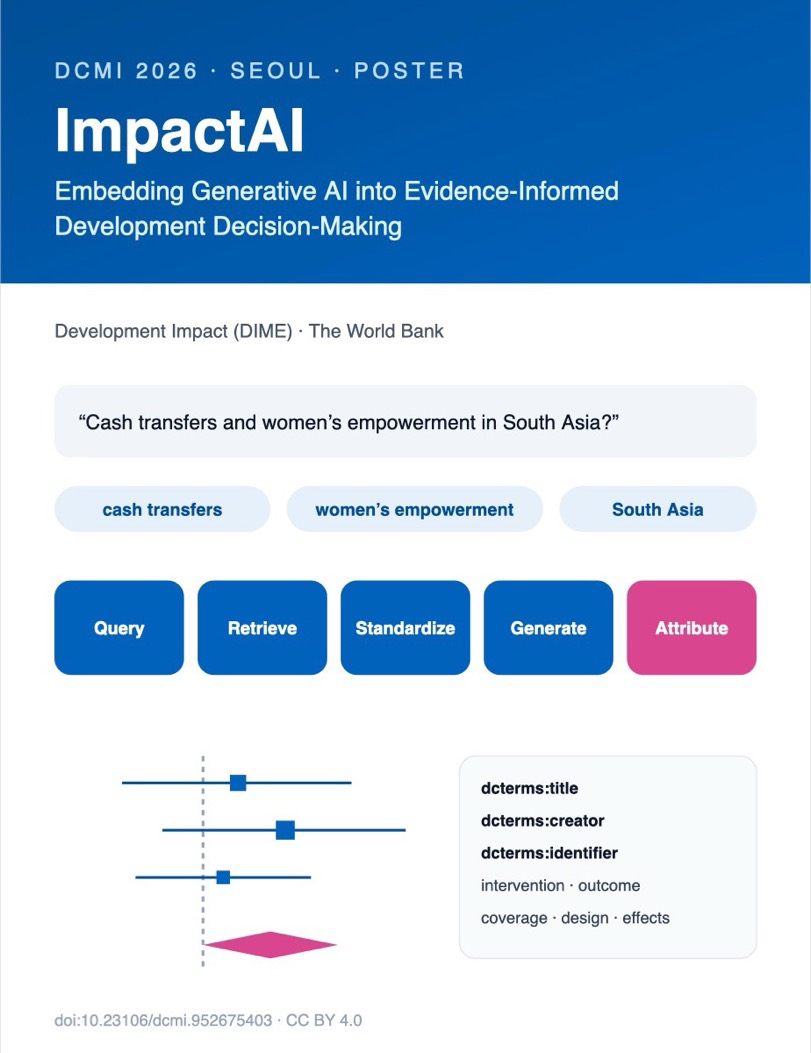
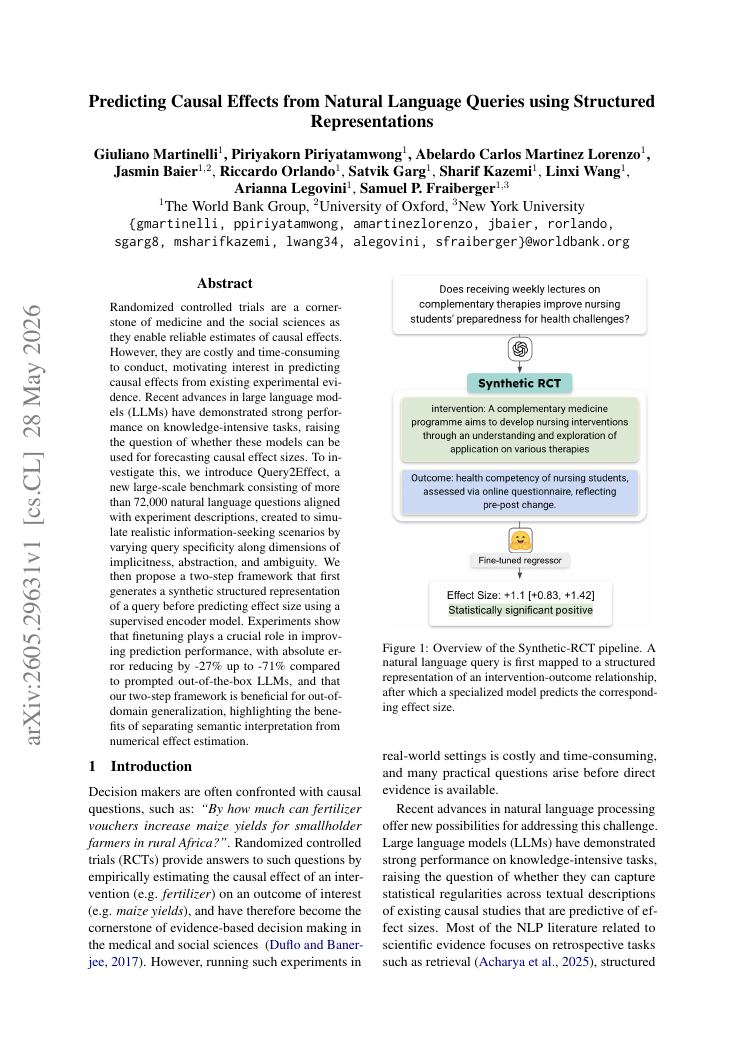
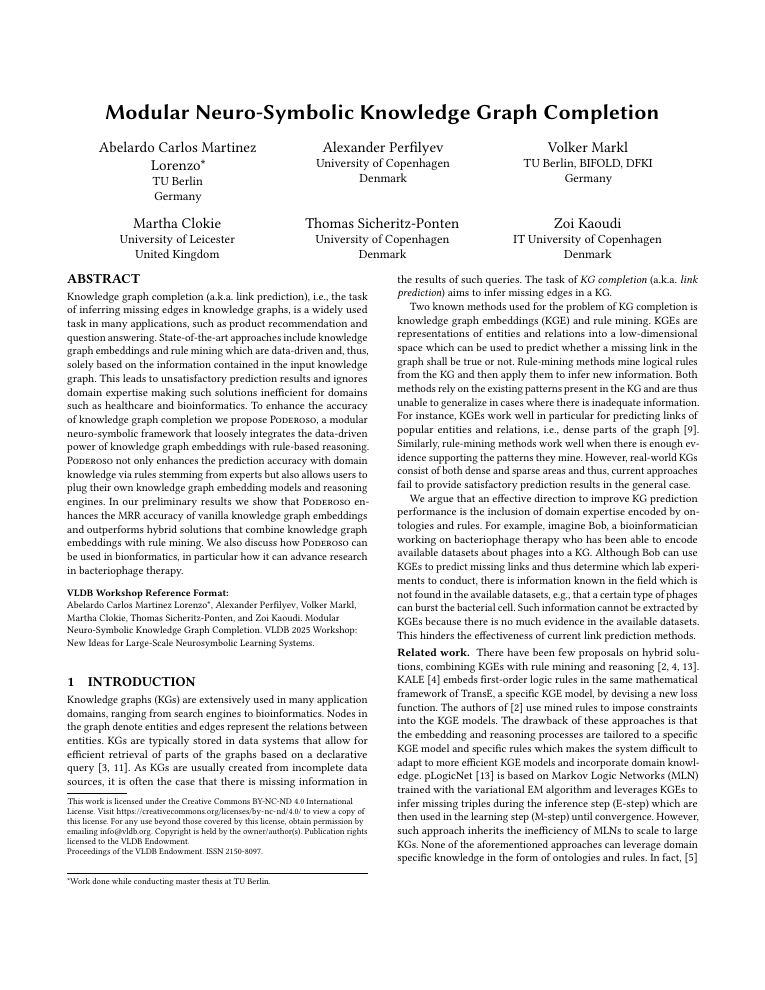
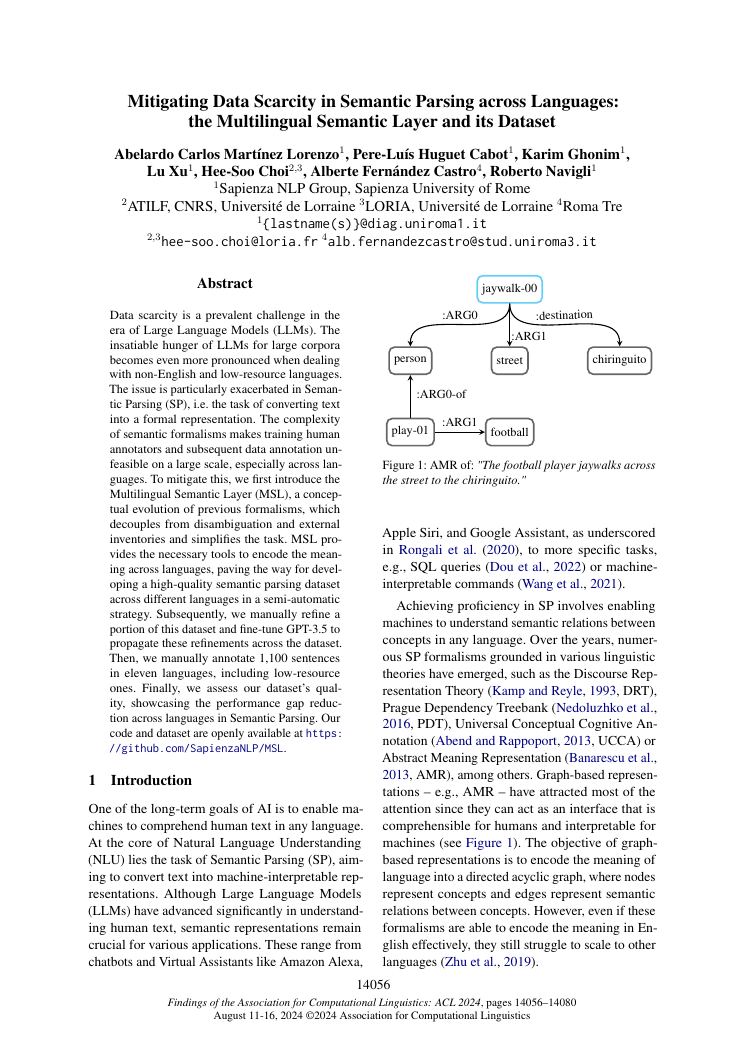
Building systems that retrieve, structure, and summarize rigorous findings while preserving source context.
Designing benchmarks, traces, review workflows, and grounding checks for high-trust AI products.
Translating semantic parsing, entity linking, and scientific IE research into useful policy-facing systems.
About
Abelardo's work connects multilingual NLP and semantic parsing research with production systems for evidence synthesis. The same thread runs from Sapienza and Babelscape to the World Bank: make complex scientific knowledge easier to retrieve, structure, and use in practice.
Career path
Sep 2024 – Present · Washington, DC / Rome
The World Bank · ImpactAI
Lead an AI science team of six direct reports; own architecture, core backend implementation and code review for a conversational evidence-synthesis platform supporting meta-analysis and development policy.
Jan 2024 – Sep 2024 · Washington, DC / Rome
The World Bank
Designed and implemented a two-stage entity-linking system: an e5 retriever followed by a fine-tuned DeBERTa encoder that maps research text to an impact-evaluation taxonomy.
2023 – 2024 · Rome, Italy
Sapienza NLP · Sapienza University of Rome
Designed compact graph representations and encoder-decoder parsers in PyTorch Lightning, cutting training time by 82% and inference time by 78% versus SPRING while preserving parsing quality.
2020 – 2023 · Rome, Italy
Babelscape
Designed cross-lingual meaning representations and BART/T5 parsing and generation models; delivered Dockerized inference demos.
Education
Sapienza University of Rome
Rome, Italy
Marie Skłodowska-Curie fellowship, Horizon 2020 KnowGraphs. Advisor: Roberto Navigli.
Erasmus Mundus Joint Programme · TU Berlin, UPC Barcelona, ULB Brussels
Berlin · Barcelona · Brussels
Final grade: 9.0/10.
University of Málaga
Málaga, Spain
Final grade: 9.0/10.
MY JOURNEY · THE FILM
A three-minute pixel-art film of the path behind the career: a curious kid by the sea, a farm in Motril, Erasmus, a master across three cities, a PhD in Rome, and the ImpactAI team today.
Outside the lab

Photography
A visual practice shaped by light, streets, landscapes, and the details that tell a story.

Travel
I like moving across cities, coasts, and mountain routes to learn through people, food, and place.

Art, culture, and history
Museums, architecture, and historical spaces sharpen how I think about context, memory, and design.